
Understanding Alzheimer’s: How It Impacts the Brain and Memory

Understanding Alzheimer's: How It Impacts the Brain and Memory

Understanding Alzheimer’s: How It Impacts the Brain and Memory Alzheimer’s disease is a progressive neurological disorder that profoundly affects memory, thinking, and behavior. As one of the most common causes of dementia, it primarily impacts older adults but can occur earlier in rare cases. Understanding how Alzheimer’s affects the brain and memory is crucial for […]

6 Simple Ways to Keep Seniors Active and Healthy Every Day

6 Simple Ways to Keep Seniors Active and Healthy Every Day

6 Simple Ways to Keep Seniors Active and Healthy Every Day Maintaining a healthy and active lifestyle is essential for seniors to enjoy their golden years. At HomeNursingServicesInPakistan, small, consistent efforts can significantly improve seniors’ physical, mental, and emotional well-being. Here’s how you can help seniors stay healthy and active every day. Encourage Regular Physical […]

How to Control Diabetes Naturally: Effective Diet and Lifestyle Tips

How to Control Diabetes Naturally: Effective Diet and Lifestyle Tips

How to Control Diabetes Naturally: Effective Diet and Lifestyle Tips At HomeNursingServicesInPakistan, we prioritize educating and empowering individuals to manage their diabetes naturally. Effective diabetes management requires a blend of proper diet, regular activity, and healthy lifestyle practices. Below, we share practical tips to help you achieve better control over your blood sugar levels. Adopt […]

Naseem Ashiq: Champion of Maternal and Women’s Healthcare

Naseem Ashiq: Champion of Maternal and Women's Healthcare in Rural Pakistan

Naseem Ashiq: Champion of Maternal and Women’s Healthcare in Rural Pakistan Dr Naseem Ashiq stands out as a beacon of hope in a country where healthcare challenges often disproportionately impact rural communities. Her extraordinary efforts in maternal and women’s healthcare have revolutionized medical services in underserved areas of Pakistan, bringing dignity, care, and empowerment to […]

Nosheen Hamid: Advocate for Women’s and Children’s Health

Nosheen Hamid: Advocate for Women's and Children's Health in Pakistan

Nosheen Hamid: Advocate for Women’s and Children’s Health in Pakistan At homenursingservicesinpakistan, we honour the achievements of Dr Nosheen Hamid, a trailblazer in Pakistan’s women’s and children’s health. Her unwavering dedication to improving maternal and child healthcare has transformed countless lives and inspired generations to prioritize public health and wellbeing. Championing Women’s Health in Pakistan […]

Adeeb Rizvi: Pakistan’s Pride in Free Kidney Care and Organ

Adeeb Rizvi: Pakistan's Pride in Free Kidney Care and Organ Transplantation Services

Adeeb Rizvi: Pakistan’s Pride in Free Kidney Care and Organ Transplantation Services Dr. Adeeb Rizvi is a beacon of hope and compassion in Pakistan’s healthcare sector. As the founder of the Sindh Institute of Urology and Transplantation (SIUT), he has dedicated his life to providing free, world-class kidney care and organ transplantation services to patients, […]

Anthony Fauci: The Global Leader in Fighting Infectious Diseases

Anthony Fauci: The Global Leader in Fighting Infectious Diseases

Anthony Fauci: The Global Leader in Fighting Infectious Diseases Dr. Anthony Fauci is synonymous with resilience, dedication, and unwavering commitment to public health. As one of the world’s most recognized infectious disease experts, his decades-long career has been defined by groundbreaking research, decisive leadership, and tireless advocacy in the fight against some of the most […]

The Bird Flu Pandemic: Could H5N1 Trigger the Next Global

The Bird Flu Pandemic: Could H5N1 Trigger the Next Global Crisis?

The Bird Flu Pandemic: Could H5N1 Trigger the Next Global Crisis? The world has faced numerous pandemics in recent history, but experts warn that the highly pathogenic avian influenza, commonly known as bird flu, could be the next global health emergency. The H5N1 strain, a subtype of the influenza virus, has shown alarming potential for […]

How Scientists Are Tackling the Threat of Marburg Virus Worldwide

How Scientists Are Tackling the Threat of Marburg Virus Worldwide The Marburg virus, a rare but highly lethal pathogen, is classified as one of the deadliest viruses known to humanity. With a fatality rate ranging from 24% to 88%, it poses a significant global health threat. Related to the Ebola virus, Marburg causes severe hemorrhagic fever and has sparked outbreaks in parts of Africa and beyond. Scientists and public health organizations worldwide are employing advanced strategies to combat this looming danger. What is the Marburg Virus? Marburg virus disease (MVD) is caused by the Marburg virus, a member of the Filoviridae family. First identified in 1967 during outbreaks in Marburg and Frankfurt, Germany, the virus originated from infected African green monkeys imported for laboratory research. Transmission Human-to-Human Transmission: Occurs through direct contact with bodily fluids, blood, or tissues of infected individuals. Animal-to-Human Transmission: Commonly linked to fruit bats (Rousettus aegyptiacus), the natural reservoir of the virus. Surface Contact: Spread via contaminated surfaces or medical equipment. Symptoms of Marburg Virus Disease The disease manifests with rapid onset and severe symptoms: High fever and severe headache Muscle pain and fatigue Nausea, vomiting, and diarrhea Hemorrhaging (internal and external bleeding) Multi-organ failure in advanced stages Without prompt medical care, MVD often leads to death within 8–9 days after symptom onset. Scientific Approaches to Tackle Marburg Virus 1. Early Detection and Surveillance Global health organizations are working to strengthen early warning systems and surveillance networks. These systems aim to: Quickly identify and isolate cases to prevent outbreaks. Monitor wildlife populations, particularly bats, for signs of viral activity. 2. Vaccine Development Vaccines are the cornerstone of preventing infectious diseases, and efforts to develop a Marburg vaccine have gained momentum. Experimental Vaccines: Several candidates, such as the rVSV-based vaccine (similar to the successful Ebola vaccine), have shown promise in animal studies. Clinical Trials: Ongoing trials are testing the safety and efficacy of these vaccines in humans. 3. Therapeutics and Antiviral Drugs Antiviral therapies are being developed to treat those infected with Marburg virus: Monoclonal Antibodies: These lab-engineered antibodies neutralize the virus and reduce mortality. Broad-Spectrum Antivirals: Drugs like Remdesivir and Favipiravir are being tested for their effectiveness against the virus. 4. Containment and Quarantine Swift containment of outbreaks remains critical. This involves: Isolating infected individuals. Implementing strict infection control protocols in healthcare settings. Providing personal protective equipment (PPE) to healthcare workers. 5. Public Awareness and Education Educating at-risk communities about Marburg virus transmission is vital. Awareness campaigns focus on: Avoiding contact with bats and other wildlife. Reporting suspected cases to health authorities promptly. 6. Strengthening Healthcare Infrastructure Investments in healthcare systems, particularly in affected regions, ensure better outbreak management. Key strategies include: Establishing specialized treatment centers. Training healthcare workers in infection prevention and control. Challenges in Combating the Marburg Virus Despite significant progress, combating the Marburg virus poses challenges: Limited Funding: Research and healthcare infrastructure in affected regions require more financial support. Lack of Approved Vaccines: While promising, vaccines are still in development and unavailable for widespread use. High Mortality and Fear: The virus's high fatality rate and severe symptoms lead to panic and stigmatization in affected communities. Global Collaboration Against Marburg Virus Efforts to tackle the Marburg virus involve collaboration among international organizations, governments, and research institutions. World Health Organization (WHO): Coordinates outbreak responses and provides technical support. Centers for Disease Control and Prevention (CDC): Conducts research and trains health professionals. Pharmaceutical Companies: Develop vaccines and therapeutics through partnerships. Conclusion The Marburg virus remains a formidable health threat, but science and global cooperation offer hope. Early detection, vaccine development, public education, and robust healthcare systems are the pillars of prevention and control. At HomeNursingServicesInPakistan, we are committed to raising awareness about global health threats and providing professional care for infectious diseases. If you or your loved ones need expert nursing care, contact us at: Phone: 0327 9016599 Email: lajpalcare22@gmail.com Location: Office #2, First Floor, Al-Harmain Plaza, GT Road, Near Bahria Phase 7, Rawalpindi. Together, we can build a healthier and safer world.

How Scientists Are Tackling the Threat of Marburg Virus Worldwide The Marburg virus, a rare but highly lethal pathogen, is classified as one of the deadliest viruses known to humanity. With a fatality rate ranging from 24% to 88%, it poses a significant global health threat. Related to the Ebola virus, Marburg causes severe hemorrhagic […]

Rabies Virus: A Deadly Zoonotic Disease and Its Global Impact
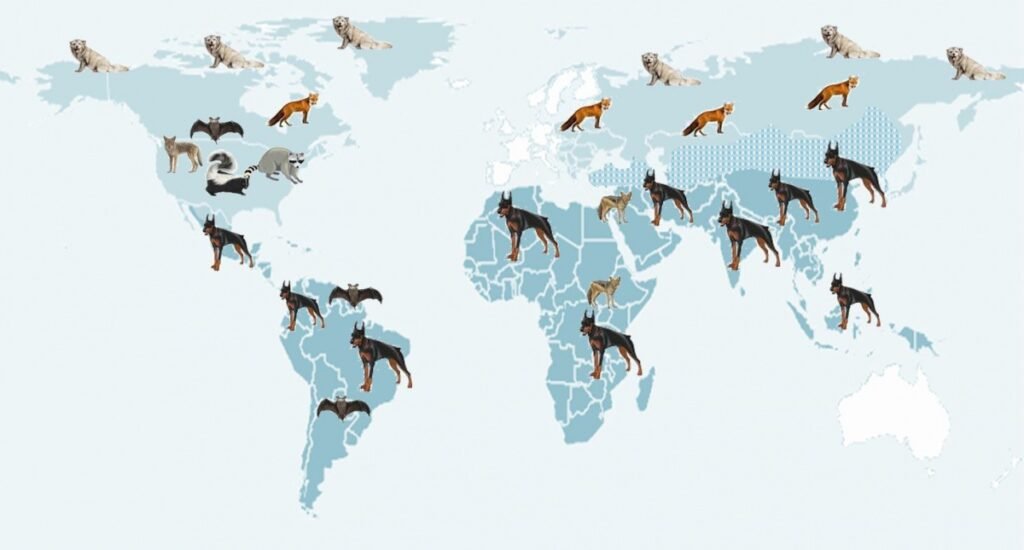
Rabies Virus: A Deadly Zoonotic Disease and Its Global Impact

Rabies Virus: A Deadly Zoonotic Disease and Its Global Impact Provided by HomeNursingServicesInPakistan Rabies, a fatal zoonotic disease, poses a serious health threat worldwide. Transmitted primarily through the bite or scratch of infected animals, the virus has a nearly 100% fatality rate once symptoms appear. Despite being preventable through timely intervention, rabies continues to claim […]